The TEFL Blog

All the latest TEFL NEWS

Five Weirdest Chinese Foods

When travelling through a foreign country, we should remember the three ways to experience a culture: sightseeing, shopping, and my personal favourite, eating. Now, we all have that one friend who will order a hamburger and chips where ever he goes, even if he must conjure it out of thin air. If you find yourself in this situation whilst travelling or working in China, you might consider chucking this dull-palleted friend and acquainting yourself with a worthy companion open to trying the strangest Chinese foods in existence. Here at LoveTEFL, we have compiled a list of the five strangest dishes because, who doesn’t love lists?

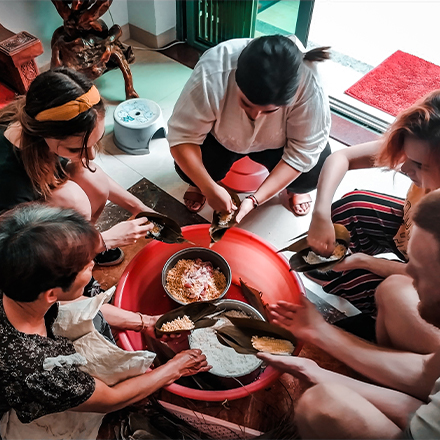
1. Hangzhou Beggar’s Chicken— A roast chicken wrapped in lotus leaves, you may be confused when this dish arrives at your table and though you expect food, all you see before you is a large ball of dirt on a plate. Then, as the curious foodie that you are, you start to poke and prod this large ball of dirt and after a bit of struggle, you find a whole chicken in the middle, marinated and stuffed. Have you ever eaten a whole chicken?
2. Balut eggs— If you can stomach the idea of eating a duck egg that has been fertilized for over two weeks, then balut eggs are for you! Although it is more commonly found on the streets of the Philippines, this “wrapped” egg often kept in a warm bucket of sand has its origins in China and is eaten simply with a sprinkle of salt.
3. Bugs on Sticks— They eat bugs on sticks. ‘Nuff said.

bugs on sticks

4. Snake Blood/Snake Wine— No vampires exist in China (or anywhere really, depending on your mythological beliefs), but some natives may occasionally have this gory alcoholic beverage with a close friend on a Friday night.
5. Penis Delicacies—Yes, you did read that correctly. Jaw dropped in disbelief? Thought to increase virility by the Chinese, you can find a large variety of dishes that contain animal penis throughout China. One might order the penis of a yak, dog, horse, or tiger, the most expensive animal penis of all sold at the price of £3,000.

Reasons to Travel to Thailand

Thailand is nicknamed the “Land of Smiles” because there are thirteen different kinds of smiles that Thai’s use for a variety of situations. Needless to say, tourists often find themselves surrounded by friendly and cheerful locals, creating an atmosphere that makes it impossible to frown. And with its natives having such a positive attitude, it is no wonder that people from all over the world travel to see the country—that is, of course, apart from the white sand beaches, the amazing cuisine, and the forty-one thousand Buddhist temples.

Thailand Buddhist Temples

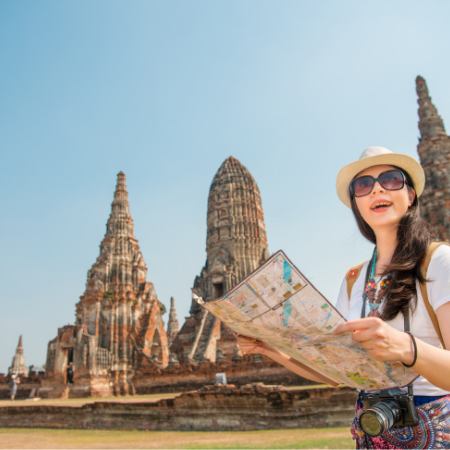
Imagine yourself travelling through Thailand, starting your trip in Chiang Mai. In this city located in northern Thailand, no tourist leaves without seeing the Wat Prathat Doi Suthep, a famous temple high up on the Suthep Mountain where you can feast your eyes on breathtaking sights of gold statues, gold plated roofs, and—you guessed it—much, much more gold. Moving on to the nation’s international capital in central Thailand, you can squeeze some retail therapy into your action-packed sightseeing day by walking along the riverside, browsing the goods Thai boat vendors have to offer in the floating markets of Bangkok. Making your way down to Phuket, and island at the southern tip of Thailand, you can catch a show with the Simon Cabaret, one of the biggest local transvestite shows where you will spend one of the most flamboyant and simultaneously entertaining nights of your life. And yes, if you now have the sudden urge to book the next flight into this strange and exciting place surprisingly located on the same planet as Yorkshire, England, then we are on the same page.

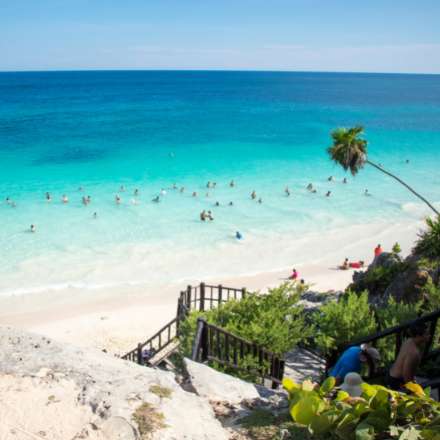
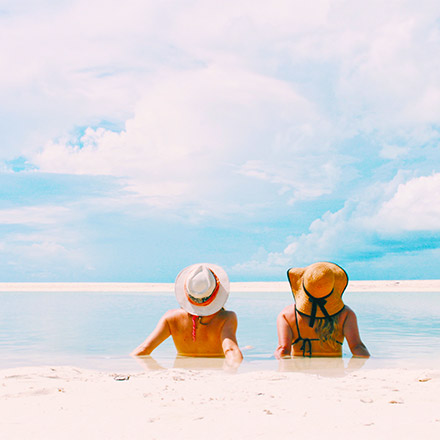
Now, imagine yourself living in Thailand. Here you can teach English to Thai students as a native speaker, interact with Thai locals, and experience the beauty of Thailand as you immerse yourself in its rich culture. At LoveTEFL, we offer this unique experience for students as an internship in several Asian countries, including Thailand. Through our 6.5 week program which will allow you to live and work in Thailand, you will gain invaluable teaching experience and help Thai children learn the English language. In addition, at the end of the internship, you will have the pleasure of travelling to Koh Samet, an exotic island on the Gulf of Thailand where the magnificent beaches feel endless and you can kick your feet back, and just enjoy the view.

EFL Teaching: How much to budget for Thailand

Thai Money

If you’re planning to teach English in Thailand you probably have one burning questions, ‘how much money do you need to live/survive in Thailand.’ The basic TEFL wage for new teachers in Thailand is usually around 30,000 Baht per month, with those experienced able to earn much more than this, but it’s hard to find a higher wage if you have less than a year or 2 of experience.   

Now when it come to how much you’ll need to live on you are likely to here a variety of figures, from as little as 20,000 Baht per month, up to and beyond 50,000 Baht per month. The truth is, it all depends on the lifestyle you are looking for.

Here’s a breakdown to the possible bills and expenditures you’ll find in Thailand:

(bear in mind that the exchange rate in the early part of 2013 was 44 Baht to £1 UK, and 28 Baht to $1 US).

Accommodation

Thai studio

Prices for basics, no thrills studio apartments can cost as little as 3000 Baht per month. More realistically, if you are looking for a comfortable studio in a nicer part of town, or a one-bedroom house or condo in a friendly suburb or rural location, you’re looking at around 5,000 to 10,000 Baht per month.

Once you start looking at 10,000 to 15,000 Baht per month you are allowing for a far more modern and comfortable house or apartment, and anything beyond that you are heading into the realms of luxury.

Utility Bills

Utility bills are generally cheap in Thailand, you may have to pay a little towards water, and if you have to pay for your own WIFI you are looking at anything from 200 to 600 Baht per month for a fast connection.

The most significant utility bill you’ll need to pay will be for electricity. This can vary greatly depending on how you live. I know TEFL in Thailand teachers who spend very little time at home, just watching a little TV before bed, and using their laptop and charging their phone, while sleeping under the constant blow of their fan, adding up to an electric bill around 500 Baht per month, sometimes even less. On the other hand I know some expats who spend a lot of time at home, playing with the latest gadgets, spending hours on the internet, and most significantly, leaving the air conditioning on for hours on end, including overnight while they sleep. Living like this you can easily rack up an electric bill close to 3000 Baht per month.

Food and Drink

Thai Food

Thai food is inexpensive in Thailand, whether you are constantly eating out or cooking at home most of the time, you don’t need to spend much at all to eat well. Street meals can cost anything from 30 to 60 Baht per meal, while a small banquet at a Thai restaurant will still set you back little more than a couple of 100 Baht. Many food markets and popular supermarkets such as Big C and Tesco Lotus also make food shopping very affordable.

The big expenses come with eating western food and drinking alcohol. If you like to buy imported goods you’re food shopping bill will soon rise, and if you crave lots of home cooked western meals and pub grub you can expect to pay at least double what you would for a local meal.

Alcohol will soon get your budget soaring with a bottle of beer costing around 70 to 100 Baht in a bar aimed at westerners, and if you are looking to enjoy the anything-goes nightlife of Thailand you can soon find yourself racking up bills of 2000 Baht and up on a good night out.

Clothes and Shopping

Bangkok Market

Thailand has an amazing market culture, here you’ll find everything from the latest boutique fashion and knock off DVDs/CDs, to art, decor, and electronics. If you stick market shopping you can quite easily keep adding to your wardrobe without drastically affecting your monthly budget. However, if you crave the latest gadgets and brand name shopping Thailand has some uber modern mall experiences, but expect to pay as much as you would back home (if not more).

In summary

It’s quite possible to live comfortable on 30,000 Baht per month. Don’t expect to create much in the way of saving, but do expect to have clean, modest accommodation, be able to eat well (sticking mainly to local food), and having a fairly active social life. However, if you are looking to live in a little more luxury,  indulge in Thailand’s wild nightlife, or spending your weekends and holidays travelling around the country, you  can easily see your monthly outgoings rising to 50,000 Baht per month and beyond.

EFL Teachers: 7 things to do in Vietnam

Hoi An Old Town

Teaching English in Vietnam today is a rewarding experience, not just financially, but also culturally. I have made a number of trips to this fascinating country, exploring far and wide, falling in love with the people, culture, and nature, and each time I leave I do so longing to come back again as soon as possible.

There is so much to see and do in Vietnam, from the manic streets, restaurants, and bars of Ho Chi Minh, to the stunning coast line of the North, and the amazing Halong Bar. The locals are warm and friendly, the food is to die for, and the landscape includes monumental mountains and national park, and lots of paradise tropical beaches.

While there are far more than 7 things I love to see and do in Vietnam (probably closer to 700), here are 7 of my favourites to give you a taste of what’s to come:

1. Visit Hoi An Old Town

Hoi An

A fascinating UNESCO World Heritage site, the Old Town of Hoi An is scattered with historically and culturally significant buildings, the vast majority of which are open to the public. Many of the streets are closed to traffic, making it  a peaceful pleasure to walk around, and explore on foot.

2. Take a junk boat cruise

Halong Bay

Halong Bay is one of the great natural wonders of the world, consisting of numerous dazzling limestone islands surrounded by crystal clear waters. And there is no better way to experience the area than by overnight junk boat cruise, sailing in and around the many islands and water-coves, sleeping on the calm ocean, and waking up to a breath-taking sunset. The ultimate chill out for TEFL teachers in Vietnam.

3. Watch an Opera

If you’re an English teacher in Vietnam in need of some high-brow entertainment, why not treat yourself to a night at the Opera in one of the stunning opera houses found in Hanoi and Saigon. These grand French colonial buildings are still active and a fascinating part of Vietnamese history and culture, hosting regular Operas and classical events.

4. Explore the Cu Chi tunnels

The Cu Chi Tunnels are a staggering network of over 120 KM of man-made underground tunnels and a fascinating insight into the life of the Viet Cong. Started in 1948, the tunnels were built during conflict with French colonialists, an heavily used during the Vietnam War.

5. Visit the War Remnant Museum

The War Remnants Museum, previously known as the ‘Museum of American War Crimes,’ is a harrowing exhibition of pictures and US military equipment, telling the stories of the long and tragic Vietnam war, and a great education for those TEFL teachers in Vietnam whose knowledge of the conflict relies heavily o Hollywood movies.

6. Spend a day at the Phong Nha-Ke Bang National Park

Phong Nha-Ke Bang National Park

The Phong Nha-Ke Bang is more than a National Park, it’s a UNESCO World Heritage Site with over 2000 SQM limestone area. A great example of the rich and stunning natural beauty of Vietnam, Phong Nha-Ke Bang is also Asia’s oldest karst formation, develop during the development of the earth’s crust some 464 million years ago!

7. Eat a bowl of noodles

It would be wrong of me to make a list of thing to do in Vietnam without mentioning food. One of the simplest and tastiest meals you’ll experience are the $1 bowls of street noodles which can be found on just about everywhere. Don’t worry if you can’t speak Vietnamese, just smile and point and you’ll soon have a steaming hot bowl of tasty noodles sat in front of you. It’s sure to become a staple diet for any EFL teacher in Vietnam.


Switch to our mobile site